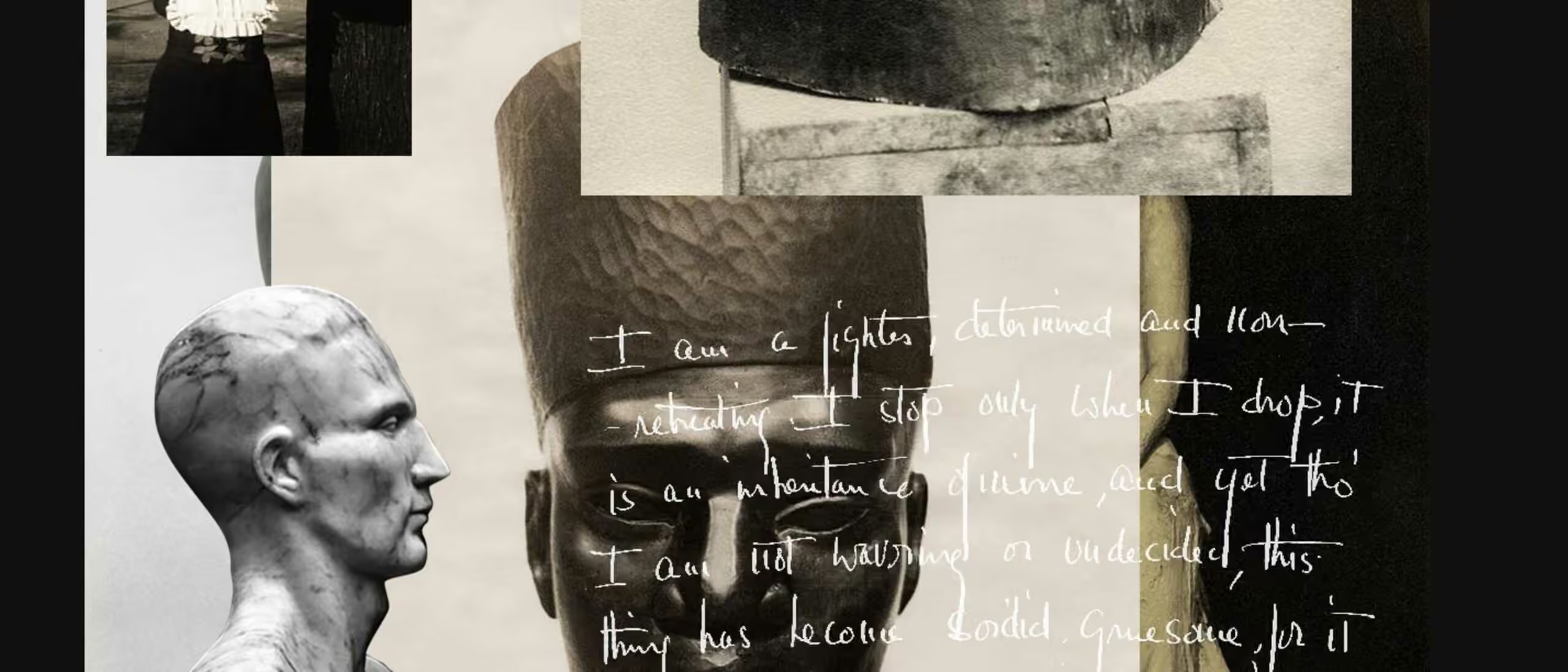
Publishing an Exhibition Without Printing It: A Digital Publishing Platform for the RISD Museum
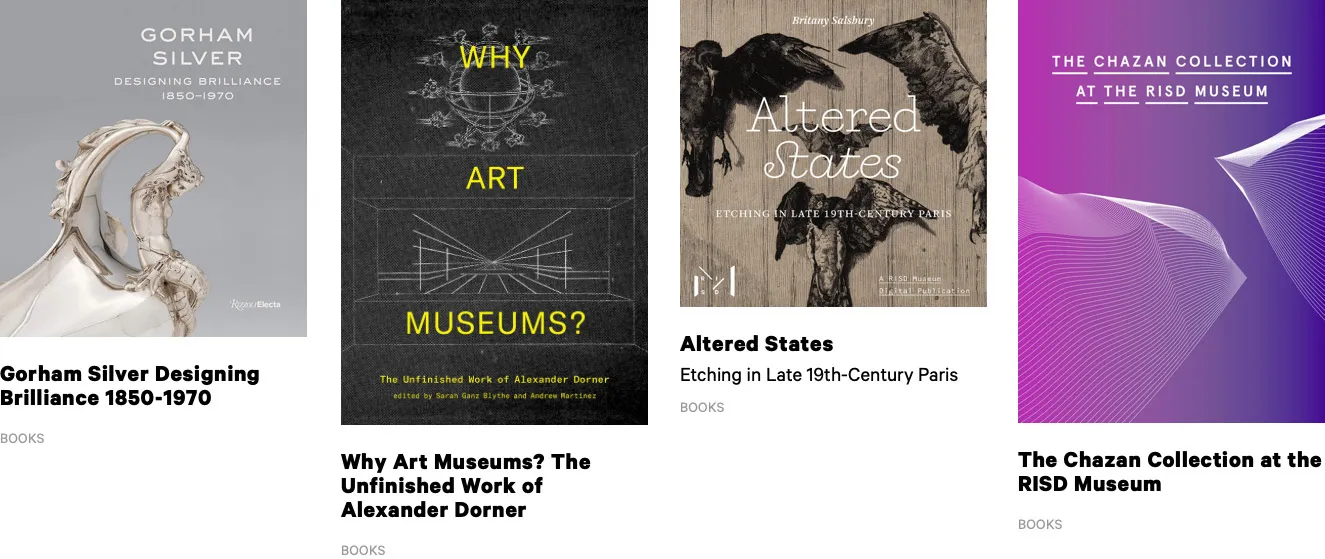
The RISD Museum publishes a catalog for every exhibition, and the cost of printing them had outgrown the return. Ziggurat is the authoring platform that replaced the press, and it scales from a publication of four objects to one of four hundred.

The work
The Challenge: The Cost of Print Had Outgrown the Return
The RISD Museum publishes a catalog for every exhibition. Most are scholarly essays about the historical context around a body of work; some are interviews with the artist or an account of the process behind the art. Until Ziggurat, none of them had a web component.
Printing them had become unsustainable in time, energy and investment, and the printed page is a narrow medium for stories that need sound and moving image. For the last printed publication the Museum built a one-off web experience alongside it, which worked and could not be repeated for every show.
What the Museum needed was an authoring tool, operable without writing code, that put audio and video at the center and scaled from a publication of four objects to one of four hundred.
The Strategy: Build the Range Into the System
Build the range into the system, so any publication fits without custom work.
- Co-designed with the Museum. A design system and programmatic visual options on our side, the Museum’s creative direction on theirs, refined through building the tool and then using it.
- Audio and video in the core. Integral to how some of these stories are told, so they behave as content.
- Citations, credits and footnotes per chapter. Because these are publications before they are web pages.
The Outcomes: Ziggurat Replaced the Press, Then Did Something No One Specified
Ziggurat replaced the press, and then did something no one specified.
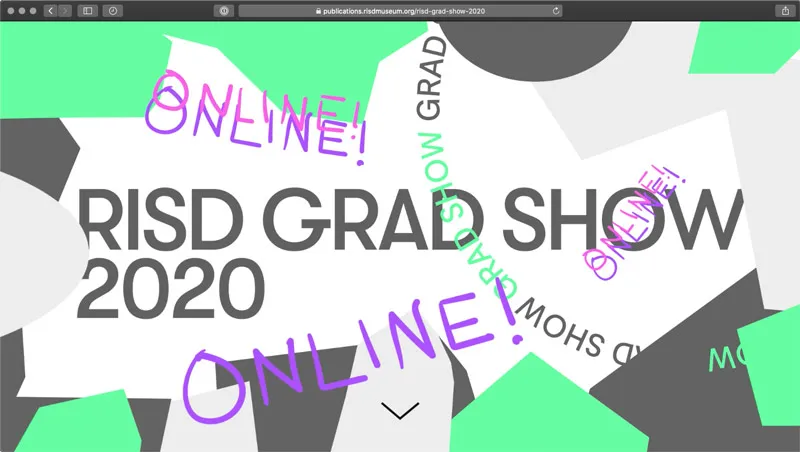
In March 2020 the end-of-year student exhibition had nowhere to happen. Six weeks after concepts were approved, two online exhibitions were live: one for more than 270 graduate students, one for more than 450 undergraduates, with per-author permissions so each could reach only their own work.
- Engagement | A publication platform scaling from four objects to four hundred | Two student exhibitions live six weeks from concept approval, with 300-plus new authors publishing
The detail
Why the Museum left print
- A catalog for every exhibition, and no web version of any of them. The Museum publishes a catalog for each exhibition: mostly scholarly essays on the historical context around a body of work, sometimes interviews with the artist or an account of the process behind it. Until Ziggurat, none of them had a web component at all.
- The cost of printing had outgrown the return. The time, energy and investment in producing a print publication were becoming unsustainable, and the printed page is a constrained medium for an audience that expects sound and moving image.
- The one-off web experience proved the point and could not be repeated. Alongside its last printed publication the Museum built a bespoke web experience. It worked, and it could not be repeated for every show.
- The requirement was a range. The platform had to produce a publication about four objects and a publication about four hundred, and be operated by curators and editors rather than by anyone who writes code.
The call and the build
- Co-designed with the Museum. Ziggurat came out of a design system and programmatic visual options on our side, and the Museum’s creative direction on theirs. Each round of talking, architecting, designing, building, using and adjusting refined both sides’ work, and the original design ideas improved once they were animated and interactive.
- Audio and video in the core. Audio and video are integral to how some of these stories are told, so they are part of the core experience rather than an embed. Video, audio, image and gallery content works inside a container of any size, with player controls in a light or dark theme and muted autoplay where browsers permit.
- Enough range for any story inside the boundaries. Responsive column patterns inside row containers, multi-column text fields, hero rows where an image or a video leads and the headline follows, up to ten colors available as row backgrounds or text, typefaces selectable from Google Fonts publication-wide or overridden page by page, and rich text options for headings, pull-quotes and color.
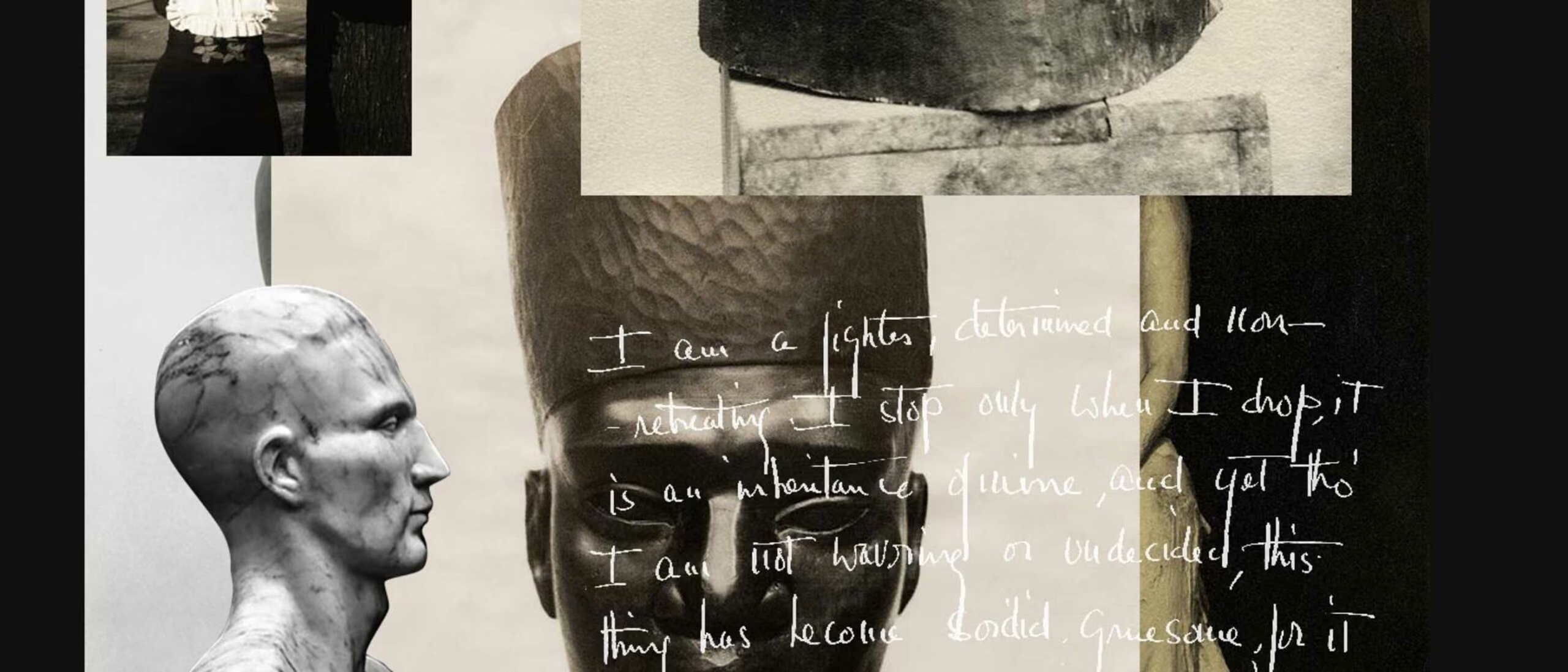
- Built for scholarship. RAID the Icebox Now ran to eight chapters and four supporting pages, each chapter with its own citations and credits, and several made heavy use of the footnote system.
What the platform did when it was tested
- Six weeks from concept approval to two live exhibitions. In March 2020 colleges ended their semesters early and students who would have had an in-person end-of-year exhibition in the museum lost it. RISD invested in upgrades and two online exhibitions went live six weeks after the concepts were approved: one for more than 270 graduate students, one for more than 450 undergraduates.
- Three hundred new authors, each confined to their own work. Supporting that many student authors meant specialized permissions limiting each to their own content, a set of features fast-tracked and the ability for some authors to add custom JavaScript to department landing pages, which opened the platform to experimentation no one had specified.
- A publishing platform that turned out to be an exhibition platform. The system was built to replace a printed catalog. What it absorbed under pressure was a different job at forty times the number of authors.
News & Recognition
- April 2021
RISD’s online graduate exhibition is a Webby nominee
Nominated in Architecture, Art & Design — the second Webby nomination in two years for the RISD Museum publications platform.
- September 2020
RISD’s online exhibitions take a Summit Silver
Silver in Education, for the publications platform that put two student shows online six weeks after the concepts were approved.
Digital publishing platform questions
Why would a museum stop printing exhibition catalogs?
Because the cost outgrew the return. The RISD Museum publishes a catalog for every exhibition, and the time, energy and investment of print had become unsustainable — while the printed page stayed a narrow medium for stories that need sound and moving image. A one-off web experience alongside the last printed publication proved readers wanted this — and could not be repeated for every show.
What does an exhibition publishing platform need to support?
A range, not a template. Ziggurat scales from a publication about four objects to one about four hundred, operated by curators and editors rather than by anyone who writes code — with responsive column patterns, image and video heroes, ten-color palettes, per-publication typefaces, and citations, credits and footnotes per chapter, because these are publications before they are web pages.
Can a museum publishing platform handle hundreds of authors?
Ziggurat did, by absorbing a job with forty times the authors it was built for. When the RISD Museum’s 2020 end-of-year student exhibitions had nowhere to happen, the platform took on 300-plus student authors with per-author permissions, and two online exhibitions went live six weeks after concept approval — one for more than 270 graduate students, one for more than 450 undergraduates.
Can digital exhibition catalogs replace print?
Yes, when the platform carries what print carried. For the RISD Museum build by Pare & Co: a publishing system in place of the printing press, publications that still look like themselves, audio and video in the core, citations, credits and footnotes intact — and a scalability claim tested under pressure in 2020.