
Training the Educators Military Families Depend On: A Learning Platform for Ohio State University
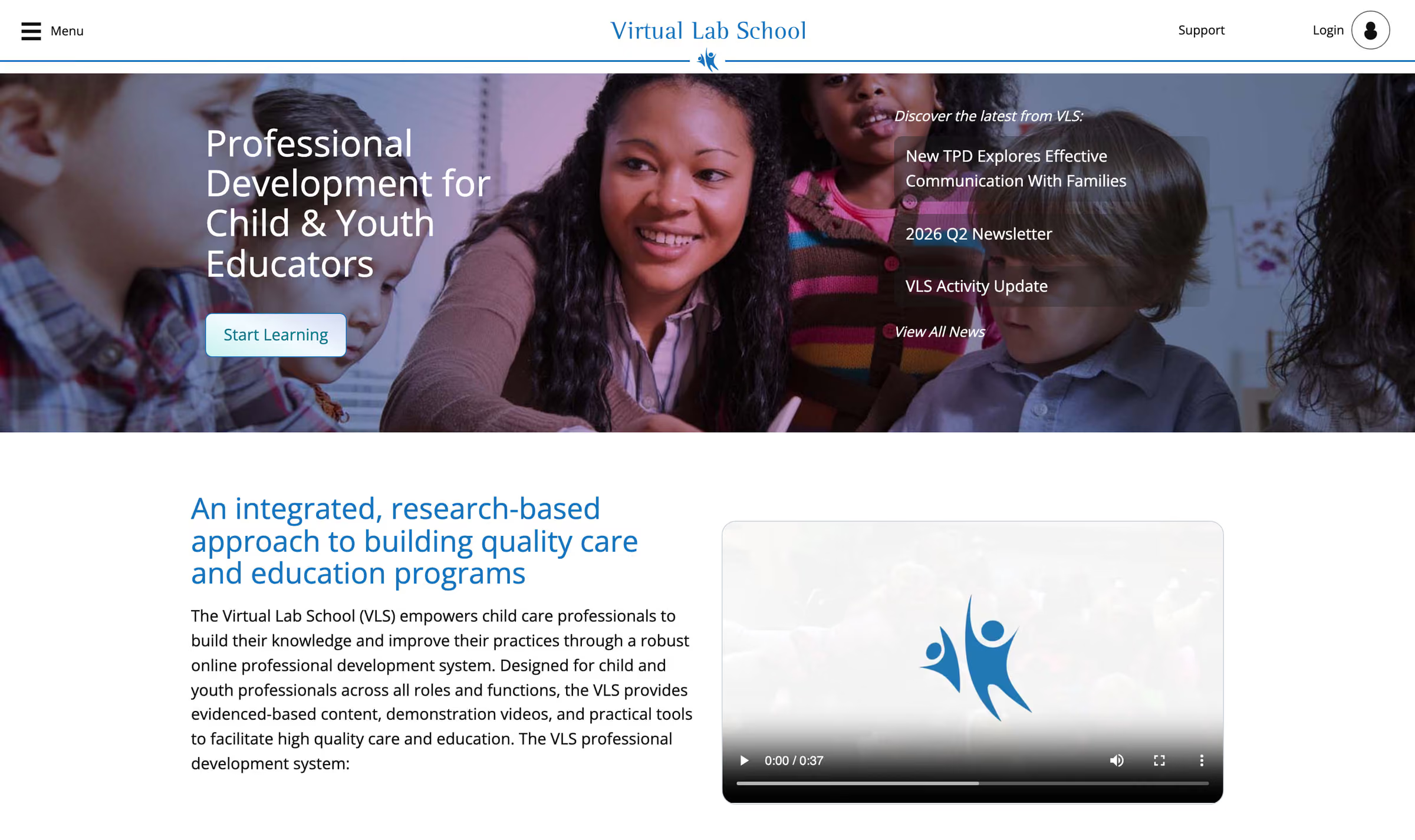
The Virtual Lab School trains military educators delivering early childhood programs on installations worldwide, on a curriculum built by Ohio State with the Department of Defense.

The work
The Challenge: Certification for Educators Whose Connectivity Cannot Be Assumed
The Virtual Lab School is how military educators across continents, time zones and assignment cycles maintain certification and complete required training — built by Ohio State with the Department of Defense, for an audience whose connectivity cannot be assumed.
The Strategy: Rebuild Around the Workflows, Not the Legacy System
Rebuilt around the actual workflows of military educators and the people who administer them.
- The permission structure is the architecture. Layered administrative roles each get their own view, with boundaries the architecture itself enforces.
- Coursework in three modes, assessment in two. Reading, video and offline downloads; real-time grading online, instructor review for everything that needs a human.
- Fast and personal at the same time. Drupal query and render caching with computed fields and lazy builder, so per-user views do not cost the page its speed.
The Outcomes: Sized for the Global Audience It Actually Has
A certification platform sized for the global audience it actually has.
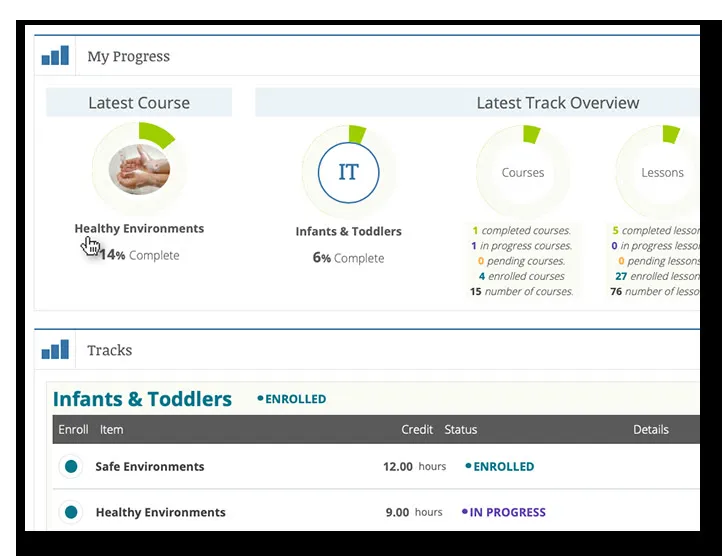
- Engagement | Hundreds more concurrent users than the previous infrastructure could support | A dashboard tracking certification progress across several pathways at once
- Trust | Security appropriate to a Department of Defense partnership | Offline coursework for assignment locations where connectivity is not guaranteed
The detail
What made it hard
- The audience is structurally distributed. Military educators work across continents, time zones and assignment cycles. This is not a supplemental resource — it is how they maintain certification, complete required training and keep developing throughout a career.
- The permission structure is military, not editorial. Training leaders manage cohorts, assign coursework and support individual educators through specific certifications, across layered administrative roles that each need a different view with boundaries that are actually enforced.
- First, learn what the old system did. A comprehensive platform assessment cataloged what the old system did before anything could replace it — years of behavior that lived in the platform rather than in documentation.
- Connectivity cannot be assumed. Some assignment locations have limited or intermittent access, so a training platform that only works online does not work for part of the audience it exists to serve.
How it was built
- An enrollment and administration portal. Administrators and instructors manage onboarding, see progress across coursework and certifications, and intervene to support a specific educator through a specific difficulty. The layered permission structure is enforced in the architecture itself.
- Course material in three modes. Reading, video and offline coursework downloads built for educators whose connectivity is not guaranteed — the operational reality of a globally distributed audience.
- Assessment in two modes. Online assessments grade and suggest in real time; offline assignments support submission and instructor review for the coursework that needs evaluation beyond automated grading.
- A personalized progress dashboard. Courses started, courses remaining, certification progress and upcoming requirements — which reduces the load on an educator managing several certification pathways at once alongside the actual job. Completed coursework and assessments end in a printable Certificate of Completion.
- Caching that survives personalization. Drupal’s query and render caching with computed fields and lazy builder, so the platform stays fast while every user sees their own view.
What changed
- Hundreds more concurrent users than the previous infrastructure could support. At security appropriate to a Department of Defense partnership.
- The org chart lives in the permission architecture. Each role’s view comes from the architecture, with nothing granted by hand.
- The work is invisible to the families who depend on it. Military families’ early childhood programs are staffed by educators this platform certifies. No one sees the platform. They would see its absence.
Distributed learning platform questions
How does a learning platform serve users with unreliable internet?
By making offline a first-class mode. Virtual Lab School course material comes as reading, video and offline coursework downloads, with offline assignment submission for instructor review — because some assignment locations have limited or intermittent access, and a training platform that only works online does not work for part of the audience it exists to serve.
How are permissions handled on an institutional learning platform?
Structurally. Training leaders manage cohorts, assign coursework and support individual educators through specific certifications, across layered administrative roles that each need a different view — and on the Virtual Lab School platform the boundaries are enforced by the architecture rather than by convention.
Can a personalized platform still be fast at scale?
Yes, if the caching is designed for it. The Virtual Lab School platform uses Drupal’s query and render caching with computed fields and lazy builder, so every user sees their own progress view without costing the page its speed — and the rebuilt system supports hundreds more concurrent users than the previous infrastructure.
What should a certification platform show an individual educator?
The Virtual Lab School gives each educator a personalized dashboard showing courses started, courses remaining, certification progress and upcoming requirements — with completed coursework and assessments ending in a printable Certificate of Completion. For someone managing several certification pathways alongside the actual job, the window is the point.
Client leadership

Jack Hartman
Jack Hartman’s specialty is editorial operations. He has led learning platforms where the audience is professionals fitting training around a working day.