
Reaching the Right Protocol Mid-Shift: An Intranet Redesign for Southcoast Health
A clinician looking for a policy, an app or a protocol is looking during a shift. Fourteen templates were researched and designed around that, and the intranet replatformed onto ServiceNow underneath them.

The work
The Challenge: Found During a Shift or Not Found at All
Access is the whole point of a clinical intranet. A nurse or physician opens it to find the right policy, the right application or the right protocol, and they are doing it during a shift rather than between shifts. What the platform contains matters less than how fast it gives back the one thing being looked for.
The same intranet also serves recognition for front-line staff and access to HR benefit tools — two quite different errands on one door.
The Strategy: Research the Jobs, Then Design the Templates
Research the jobs, then design the templates the platform gets built against.
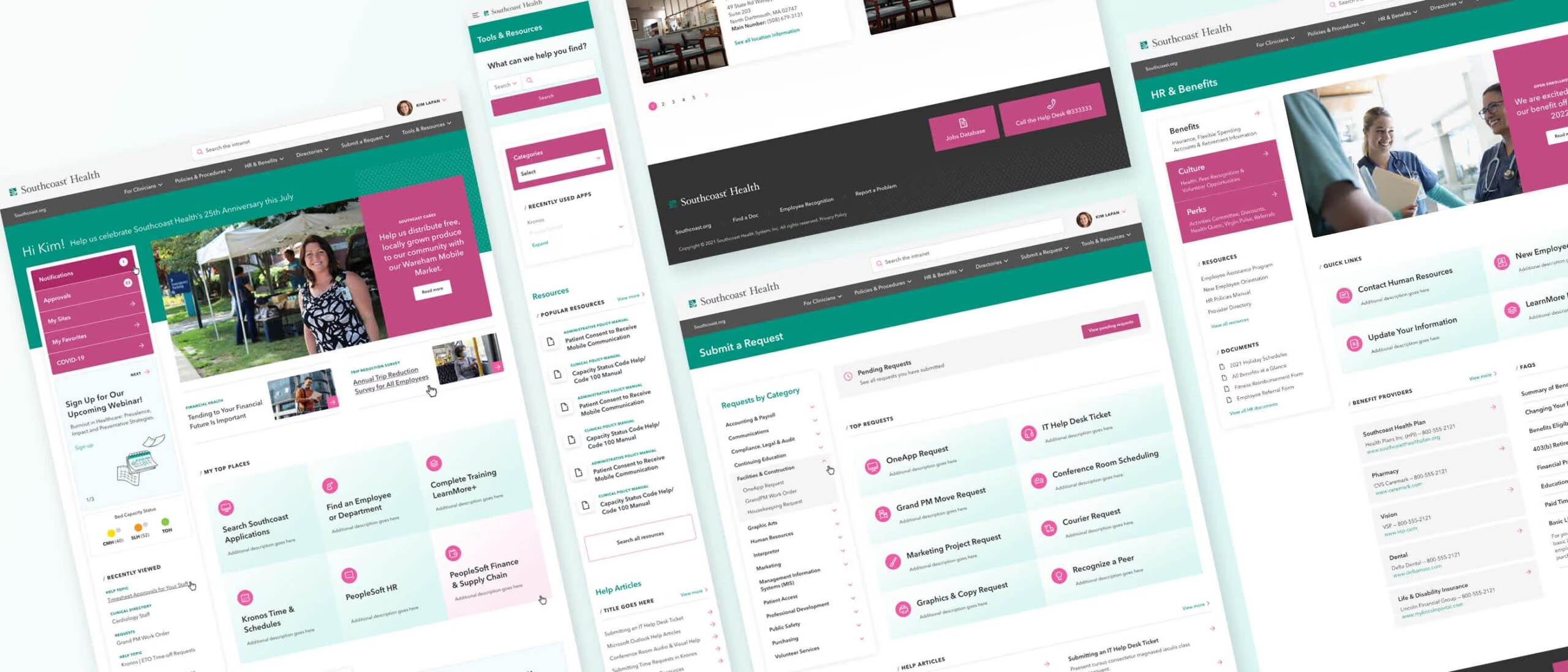
- Fourteen critical templates. Researched and designed to cover the intranet’s real work rather than its org chart.
- Design systems, responsive behavior and user research as the disciplines, with the templates as the deliverable.
- A replatform onto ServiceNow built on that basis.
The Outcomes: A Specification the Replatform Was Built Against
- Engagement | Fourteen templates covering the intranet’s critical jobs | A specification the ServiceNow replatform was built against
The detail
What a clinician is actually doing
- Looking during a shift, not between them. The three things the intranet is opened for are a policy, an application and a protocol. All three are looked for in the middle of clinical work, which makes time-to-find the measure that matters rather than how much the intranet contains.
- The staff side is not only clinical. The same platform serves recognition for front-line staff and access to HR benefit tools, so the design had to serve someone checking a protocol and someone checking their benefits without either journey obstructing the other.
The call and the build
- Fourteen templates, researched before drawn. Research came first, and produced fourteen critical templates covering the intranet’s real jobs. Design systems, responsive behavior and user research were the disciplines; the templates were the deliverable.
- ServiceNow underneath. The templates formed the basis of an intranet replatform onto ServiceNow. The design work set the specification the new platform was built to.
What it left behind
- A specification the replatform could be built against. Fourteen templates are a specification a platform team can implement without re-deciding what the intranet is for, which is the part of a design engagement that keeps paying after the designers leave.
Clinical intranet design questions
What makes a clinical intranet different from a corporate one?
The clock. A nurse or physician opens it for a policy, an application or a protocol in the middle of clinical work, not between shifts — so time-to-find is the measure that matters, rather than how much the intranet contains.
How should an intranet serve clinical and HR needs at once?
By designing both errands so neither obstructs the other. The Southcoast intranet serves someone checking a protocol mid-shift and someone checking their benefits or recognizing a colleague, and the fourteen templates were researched around those real jobs rather than the org chart.
What does a UX engagement deliver ahead of a replatform?
A specification the platform team can build against without re-deciding what the intranet is for. Fourteen researched templates formed the basis of Southcoast’s replatform onto ServiceNow — the part of a design engagement that keeps paying after the designers leave.
What deliverables come out of intranet UX design?
For the Southcoast Health engagement by Pare & Co: fourteen critical templates covering the intranet’s real jobs — from the personalized home page to tools, requests and HR benefits — researched, designed and handed over as the specification the ServiceNow replatform was built to.