Freeing a Small Staff to Run a Complex Schedule: A Platform Rebuild for the Coolidge Corner Theatre
An independent cinema runs a film schedule with more moving parts than most retailers, on a staff that would not fill a retailer’s back office. The rebuild put ticketing, scheduling and membership behind one Art Deco front door.
The work
The Challenge: A Schedule That Never Sits Still, on a Nonprofit Staff
An independent cinema runs a schedule with more moving parts than most retailers manage: titles, times, formats, series, one-off events and education programming, all resolving into a grid a visitor reads in seconds and expects to be right.
The staff maintaining it is small, and it is the same staff programming the films. Anything the website needs in order to stay current has to be within their reach.
The Strategy: A Cinema Website Rebuilt Around Its Own Systems
Rebuild at the scale of the problem, and integrate the systems that already work.
- A redesign and technology upgrade together, rather than a visual pass over the existing arrangement.
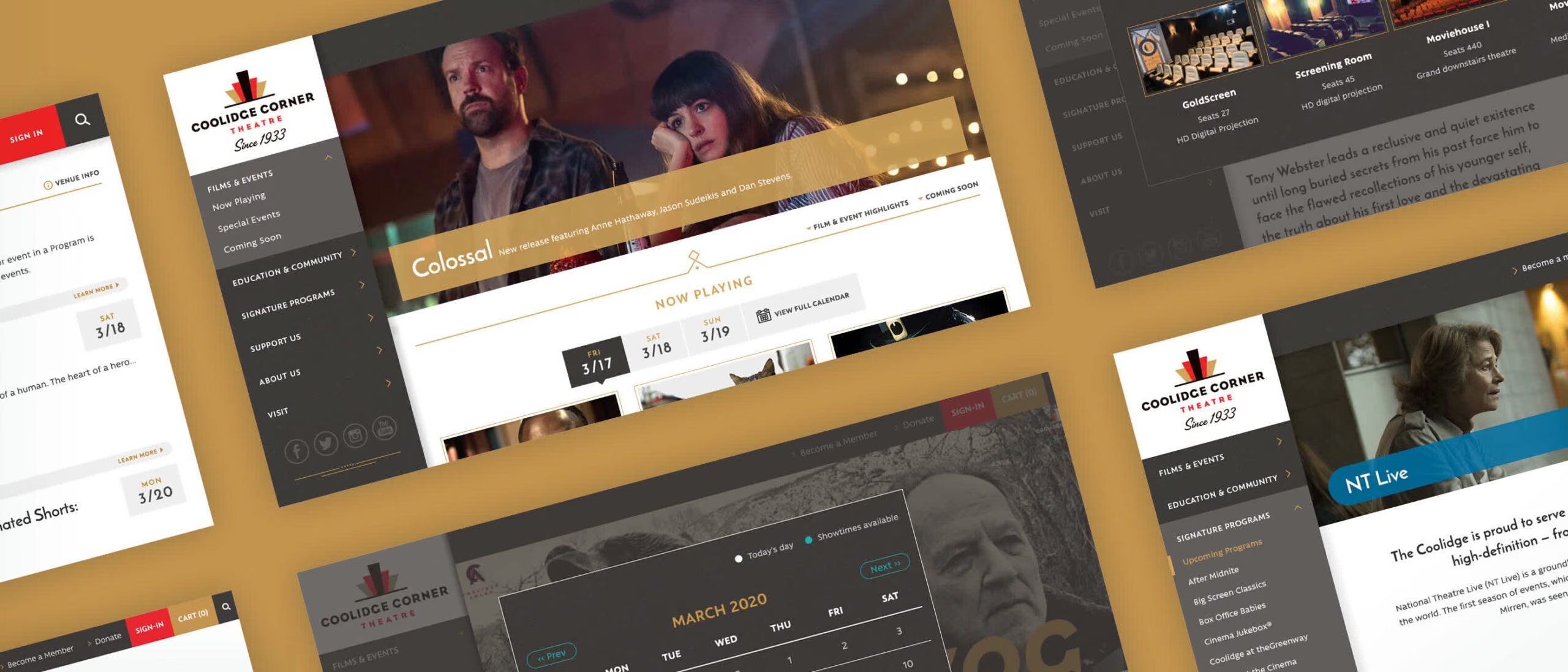
- Agile Ticketing integrated to run the commerce, and a third-party custom scheduling system left to run the film schedules.
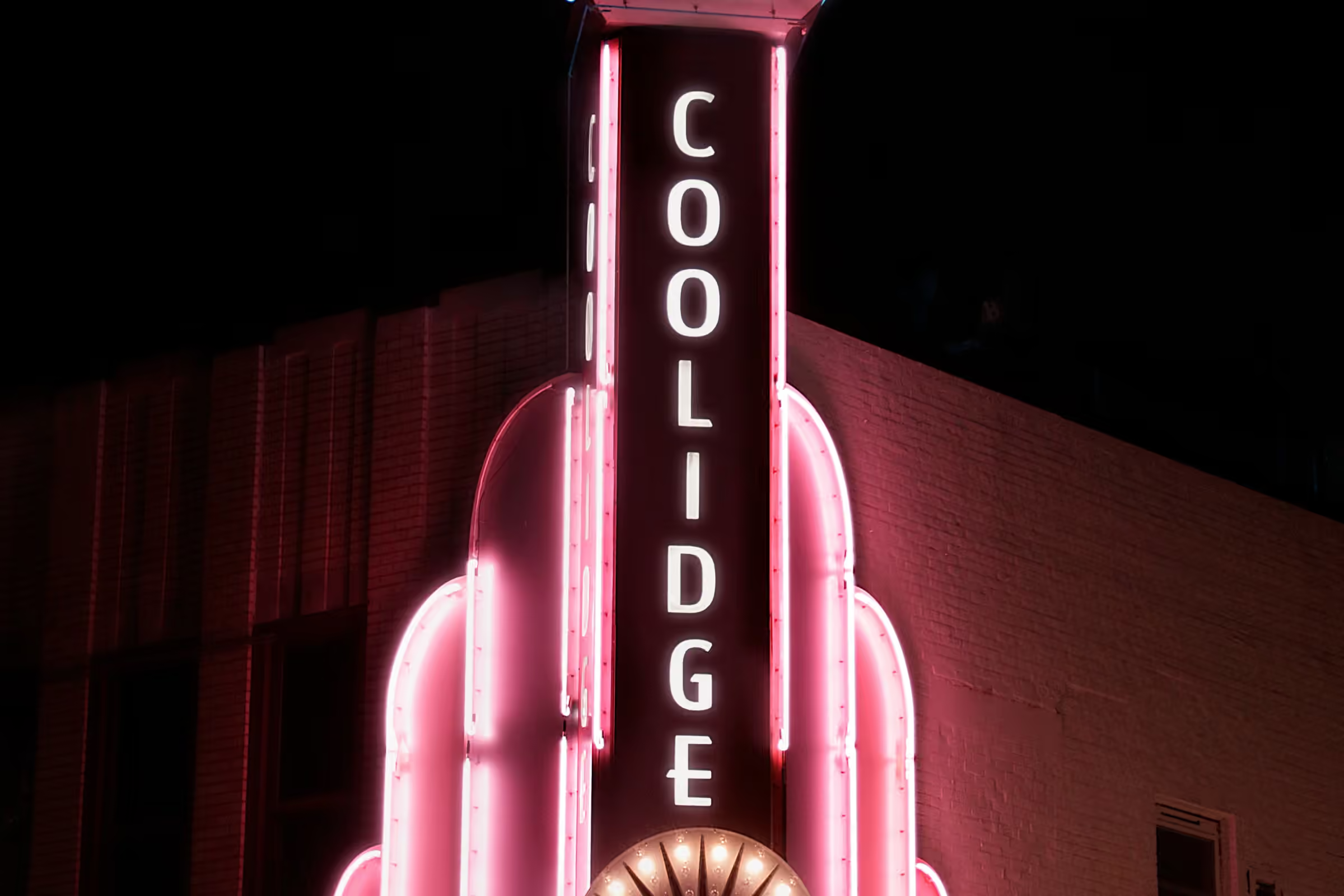
- The Art Deco house as the design source, since the building is the institution’s most recognizable asset.
The Outcomes: One Front Door for Programs, Reservations and Tickets
- Engagement | Programs, reservations and ticketing reachable in one place | A design drawn from the theatre’s own house
- Growth | A small staff with more power and flexibility over the platform | Ticketing commerce integrated rather than rebuilt
The detail
Why a cinema is harder than it looks
- The schedule is the product and it never sits still. Film programming changes constantly and in more dimensions than a retail calendar: titles, times, formats, series, one-off events and education programming all resolve into a single grid a visitor reads in a few seconds.
- The staff running it is small. An independent nonprofit cinema does not have a platform team. Whatever the site demands to keep current has to be within reach of the people already programming the films.
- Members expect a single place. Programs, reservations and ticketing are one relationship to a member and three systems to an institution.
The call and the build
- A rebuild at the scale of the problem. A redesign and technology upgrade taken together rather than a visual refresh over the existing arrangement.
- Agile Ticketing running the commerce. The ticketing platform was integrated to provide the ecommerce, rather than a second commerce system being stood up beside it.
- The schedule left where it works. A third-party custom scheduling system runs the complex film schedules, integrated rather than replaced.
- The house as the design source. The Coolidge’s Art Deco building is the institution’s most recognizable asset, and the redesign draws the visual language from it.
What it left behind
- More power in fewer hands. The small staff got more control and more flexibility over what the site says and does, which for an organization this size is the difference between a current site and a stale one.
- One route to everything a member came for. Programs, reservations and ticketing reachable in one place rather than across the systems that happen to power them.
Cinema and events website questions
What makes a movie theater website hard to build?
The schedule is the product and it never sits still. An independent cinema publishes titles, times, formats, series, one-off events and education programming — all resolving into one grid a visitor reads in seconds and expects to be right — usually on a staff that would not fill a retailer’s back office.
Should a theater build its own ticketing system?
Almost never. The Coolidge’s rebuild integrated Agile Ticketing to run the commerce and left a third-party scheduling system running the film schedules — integrated rather than replaced — so the rebuild’s effort went to the experience around them instead of re-solving problems those systems already solve.
How does a cultural institution’s website reflect its building?
By drawing the visual language from it. The Coolidge’s Art Deco house is the institution’s most recognizable asset, and the redesign takes its design source from the building — so the site reads as the theatre rather than as a booking engine with a logo.
What are the benefits of a cinema website rebuild?
For the Coolidge Corner Theatre rebuild by Pare & Co: programs, reservations and ticketing reachable in one place rather than across the systems that power them, and a small staff with real control and flexibility over the platform — which for an organization this size is the difference between a current site and a stale one.